
Chicago Home & Property Winterization Guide
Prepare your home, condo, rental, or multifamily property for a Chicago winter with essential tips for heating systems, frozen pipes, roofs, gutters, snow and preventative maintenance.
How to Winterize Your Chicago Home or Property
Chicago winters can take a toll on any property. Whether you own a single-family home, live in a condo, manage a rental property, or oversee a multifamily building, preparing before Chicago’s freezing temperatures arrive can help prevent costly repairs, improve energy efficiency, and keep your property safe throughout the winter.
From protecting pipes and servicing heating systems to checking roofs, gutters, windows, and exterior areas, PRG Management’s fall winterization checklist covers the essential steps Chicago property owners and residents should take before winter arrives.
Chicago Home & Property Winterization Checklist
When Should You Winterize Your Property in Chicago?
Fall is the best time to winterize your Chicago home or property, before consistently freezing temperatures and snowfall arrive. Completing preventative maintenance early gives you time to inspect building systems, make repairs, and address potential problems while conditions are still manageable.
Waiting until the first major freeze or snowfall makes routine maintenance more difficult and increases your risk of frozen pipes, heating problems, leaks, and other easily preventable winter damage.
1. Inspect & Seal Windows and Doors
Drafty windows and doors let heated air escape and cold air in, making it harder and more expensive to keep a property comfortable. Be sure to inspect windows and exterior doors for visible gaps, damaged seals, or deteriorated caulk. Weatherstripping, caulk, and other air-sealing measures can help reduce drafts and improve energy efficiency throughout the winter months.
For multifamily properties, don't forget common-area doors, stairwells, basement entrances, and other shared/common area spaces that may also let cold air into the building.
2. Service Your Furnace & Heating System
Your heating system will be working overtime during a Chicago winter, so don't wait until temperatures plummet to find out something isn't working properly. Schedule routine maintenance for furnaces, boilers, and other heating/HVAC equipment as needed. Replace dirty furnace filters, check thermostats, and make sure vents and radiators aren't obstructed.
For apartment and multifamily buildings, property owners and managers should also verify that heating systems serving common areas and individual units are functioning properly and have a plan for responding to heating problems during extreme cold.
3. Protect Pipes From Freezing
Frozen pipes can quickly turn into an expensive winter emergency. Pay particular attention to plumbing in basements, crawl spaces, garages, exterior walls, and other areas that receive less heat. Insulate vulnerable pipes where appropriate and seal nearby gaps that allow cold air to reach plumbing. Property owners and residents should also know where the main water shutoff is located so to stop it quickly if a pipe bursts.
During periods of extreme cold, maintaining adequate indoor temperatures is especially important, including in vacant units and properties. During freezes, you may also consider letting faucets drip as an extra precaution.
4. Winterize Outdoor Faucets & Plumbing
Before freezing temperatures arrive, disconnect and drain garden hoses and properly winterize outdoor faucets and irrigation systems where applicable. Bring in any furniture, decorations, or fixtures that will be damaged by the cold and snow.
If the property has a dedicated shutoff for an exterior water line, it should be shut off and drained for the season, as exterior plumbing can be particularly vulnerable during prolonged periods of below-freezing temperatures.
5. Clean Gutters & Check Drainage
Leaves and debris can prevent gutters and downspouts from draining properly. Once temperatures fall, trapped water can freeze and contribute to ice buildup or drainage problems.
Clear any gutters before winter and inspect downspouts to ensure water is flowing away from the building. Look for loose gutters, damaged connections, and drainage areas that may need attention before snow and ice arrive.
6. Inspect Your Roof, Attic & Insulation
Winter weather can make existing roofing problems significantly worse if not addressed. Before the season begins, look for damaged or missing shingles, deteriorated flashing, visible leaks, hail damage, and other signs that repairs may be needed. Be sure to check attics for signs of moisture, air leaks, or inadequate insulation. Proper air sealing and insulation will help retain more heat and improve the building’s overall energy efficiency.
For larger multifamily and condo buildings, roof inspections and repairs will typically need to be coordinated by the property owner, association, or management company well in advance of the winter season.
7. Test Sump Pumps & Backup Systems
Snowmelt and winter precipitation can still create basement and drainage problems. If your property has a sump pump, test it before winter and make sure the pit and discharge system are functioning properly.
Properties with battery backup systems should also have those systems checked so they're ready if a winter storm causes a power outage.
8. Check Chimneys, Vents & Gas Equipment
Don't neglect maintenance on fireplaces, chimneys, furnaces, water heaters, and other fuel-burning equipment that should be properly maintained and vented before increased winter use. You don’t want to discover a heating problem after weather changes. If you do experience heating issues, never use a stove or oven as a substitute for a functioning heating system.
Check that vents and flues are unobstructed, and have equipment professionally inspected when necessary. During winter, keep exterior appliance vents and natural gas meters clear of accumulated snow and ice.
9. Prepare Exterior Areas for Snow & Ice
Winterizing a property isn't limited to what's inside the building. Inspect exterior stairs, railings, sidewalks, entryways, parking areas, and other surfaces before snow makes repairs more difficult. Make sure snow shovels, ice melt, and other supplies are available ahead of time.
Rental and multifamily property owners should also establish a plan with vendors for snow and ice removal so sidewalks, entrances, and common areas can be cleared throughout the season.
Fall is also a good time to inspect exterior caulk, siding, masonry, and other building materials for signs of deterioration that could worsen during repeated freezing and thawing.
10. Test Smoke & Carbon Monoxide Detectors
As furnaces, boilers, fireplaces, and other heating equipment experience increased use, Fall is a good time to test smoke and carbon monoxide detectors and replace batteries or devices. Be sure to keep areas around furnaces and water heaters clear. For rental and multifamily properties, owners and property managers should make sure residents understand basic heating and carbon monoxide safety.
11. Prepare for Winter Emergencies
Even a well-maintained property can experience problems during extreme winter weather, especially in Chicagoland. A little preparation can make an emergency much easier to manage. Know where the main water shutoff and electrical panel are located, keep emergency contact information readily available, and make sure flashlights, candles, and other basic supplies are accessible.
Rental property owners and managers should have established procedures for after-hours heating failures, burst pipes, snow removal, and other winter maintenance emergencies.
Winterizing Condos & Apartments
Condo owners and apartment residents may not be responsible for every part of their building, but still have several key steps to prepare for winter. Check windows and doors for drafts, keep heating vents and radiators unobstructed, and maintain appropriate indoor temperatures. Report any leaks, heating problems, damaged windows, or other maintenance concerns immediately.
Condo owners should also understand which winter maintenance responsibilities belong to the individual unit owner and the association. Roof repairs, common plumbing, exterior walls, shared heating equipment, sidewalks, and other common elements may be building or association-level responsibilities. If you are unsure, confirm with your management company or board before winter.
Winterizing Rental & Multifamily Properties
Beyond the standard winterization checklist, landlords and property managers should pay extra attention to vacant units, common areas, building mechanical systems, resident communication, and emergency maintenance procedures. Before winter, inspect vacant units and confirm that they maintain adequate heat. Check common-area doors and windows, inspect shared mechanical systems, and make sure residents know how to report a heating failure, frozen pipe, leak, or other urgent maintenance issue.
For larger properties, establishing snow removal, vendor, and emergency response plans ahead of time can help prevent small maintenance issues from becoming larger and more expensive problems and keep your property compliant with Chicago snow/ice ordinances.
Quick Winterization Checklist
Before Chicago winter weather arrives:
Inspect and seal windows and exterior doors
Service furnaces, boilers, and heating systems
Replace furnace filters
Insulate vulnerable plumbing
Locate the main water shutoff
Disconnect garden hoses and winterize exterior faucets
Clean gutters and downspouts
Inspect roofs and attic areas
Check insulation and air sealing
Test sump pumps and backup systems
Inspect chimneys, flues, and exterior vents
Test smoke and carbon monoxide detectors
Prepare snow and ice removal supplies
Inspect sidewalks, stairs, and exterior common areas
Check vacant units and properties
Confirm any emergency maintenance procedures and contacts
Prepare Your Chicago Property for Winter
Winterizing your Chicago property may feel like just an annoying task to cross off your to-do list, but it’s a crucial process to protect your home and investment. With the proper planning, your property will be ready to withstand even the harshest winter weather.
As you prepare for winter, refer to PRG Management's Chicago Home & Property Winterization Guide to make sure you haven’t missed any steps. Our winterization guide will help you improve energy efficiency while keeping your family safe and comfortable throughout the winter season. Whether you're a homeowner or renter, taking proactive measures now will save you time, money, and stress once the snow starts to fall.
Owners and investors looking for support with winterization, preventative maintenance, leasing, tenant management, and day-to-day property operations can rely on our Chicago property management team. Contact PRG Management or fill out the form below to request a management proposal.

New Law That Limits What Landlords Can Charge Tenants: Illinois HB 3564
Illinois landlords may soon face major new restrictions on move-in fees, lease charges, and rental disclosures under HB 3564. Here’s what Chicago property owners should prepare for before the law takes effect.
Illinois Is Cracking Down on Rental Fees
UPDATE (July 7, 2026): HB 3564 is now scheduled to take effect on January 1, 2027. The law was originally expected to take effect on July 1, 2026, but the Illinois General Assembly approved legislation delaying implementation. This article has been updated to reflect the new effective date of HB 3564.
For years, move-in fees and administrative charges became standard practice for many Chicago landlords. Landlords often use these fees to offset legitimate operational costs tied to tenant screening, lease administration, maintenance coordination, and unit turnover. This may soon change statewide.
Illinois House Bill HB 3564 introduces significant changes to how Illinois landlords can structure rental fees and lease disclosures for residential tenants. While the law was originally scheduled to take effect July 1, 2026, a companion bill (HB 5234) currently awaiting final action could push implementation to January 1, 2027.
Regardless of the implementation date, Illinois landlords should begin preparing now.
What HB 3564 Actually Does
HB 3564 prohibits several common rental fees, caps certain tenant charges, and introduces new disclosure requirements for most Illinois residential lease agreements. While certain owner-occupied buildings with six units or fewer may be exempt, the law will apply to the majority of rental properties throughout Chicago and the surrounding suburbs, particularly non-owner-occupied investment properties.
View the Full Text & Bill Status of HB 3564
What Fees Are No Longer Allowed Under HB 3564?
HB 3564 not only caps and regulates certain rental charges, but also prohibits several common fees previously charged by Illinois landlords on covered residential leases.
Under the new law, landlords generally are not allowed to charge:
Move-in fees larger than 20% of the first month’s rent
Administrative or lease processing fees
Lease renewal or agreement fees
Routine walkthrough or inspection fees
After-hours maintenance request fees
Certain pest control charges unless the tenant directly caused the issue
The tenant cannot elect to pay one-time fees in installments if:
The total amount of the one-time fee does not exceed 25% of the first month’s rent
Payment of the last month’s rent is not required at the inception of tenancy
HB 3564 also prevents landlords from renaming prohibited charges under labels like:
“Administrative fees”
“Tenant onboarding fees”
“Lease processing fees”
Similar variations intended to bypass the law
Application and background check fees are still allowed, but they are capped at $50 unless the landlord can document a higher third-party screening cost. Security deposits may not exceed the monthly rent amount. Landlords who continue charging prohibited fees after HB 3564 takes effect may face civil liability from tenants.
The Lease Transparency Requirement
HB 3564 also introduces new lease disclosure requirements intended to make rental costs more transparent for tenants. Under the new law, all non-optional fees must be clearly disclosed on the first page of the lease agreement. If a fee is not properly disclosed, the tenant may not be legally required to pay it. Landlords should review their lease agreements carefully to double-check that all required disclosures are presented in clear and consistent language moving forward. The legislation will also require landlords to disclose whether utilities are included in rental listings and within the lease itself.
HB 3564 Lease Transparency Updates
All non-optional fees must be disclosed on the first page of the lease agreement
Tenants may not be legally required to pay fees that are not properly disclosed
Landlords must disclose which utilities are included in rental listings
Landlords must disclose utility responsibilities within lease agreements
Older lease templates and operational documents may need to be updated for compliance
Landlords should review lease formatting, disclosures, and fee language before the law takes effect
Owner-Occupied Buildings With Six or Fewer Units May Be Exempt Under HB 3564
One important detail for smaller Chicago landlords is that HB 3564 does not apply to certain owner-occupied buildings containing six or fewer rental units. For smaller self-managing landlords, understanding whether your building qualifies for the exemption will be an important first step before making operational or lease changes. Ownership structure, occupancy status, and the property’s legal status can all affect whether the exemption applies. Investment properties that are not owner-occupied will generally still fall under the law even if they contain fewer than six units.
What This Means for Landlords
From an Illinois landlord’s perspective, these changes will have a real operational and potential financial impact. Many of the fees prohibited under HB 3564 helped offset legitimate costs associated with screening new tenants, lease administration, and turning over units between residents, and even more so for smaller independent landlords. The important thing now is not to try to work around the law by simply renaming prohibited fees and facing penalties. Instead, landlords should begin reevaluating their lease structure and rental pricing ahead of the law taking effect.
As Illinois and Chicago rental regulations continue becoming more complex, many property owners are also realizing that compliance and operational oversight now require a far more proactive approach than they did even a few years ago. At PRG Management, we help Chicagoland landlords stay current and compliant on evolving rental regulations while keeping properties operating efficiently.
What Landlords Should Do Before HB 3564 Takes Effect
Chicagoland landlords should begin preparing now instead of waiting for final implementation guidance. Before HB 3564 takes effect, Illinois and Chicago landlords should:
Audit current lease agreements for prohibited or questionable fees
Update lease templates to comply with the first-page disclosure requirement
Review rental pricing structures to account for revenue previously collected through fees
Confirm utility disclosures are accurate across listings and lease documents
Evaluate whether their property qualifies for the owner-occupied six-unit exemption
Consider working with PRG Management, a professional Chicago property management company that stays current on Illinois landlord law and Chicago compliance requirements
Final Thoughts
HB 3564 represents one of the more significant recent changes to how residential leases and rental fees will be handled in Illinois. Whether you own a two-flat or courtyard building in Chicago, or a larger rental portfolio across the surrounding suburbs, compliance can no longer be treated as an afterthought.
At PRG Management, we help Chicagoland landlords and property owners navigate evolving regulations, leasing compliance, tenant management, maintenance coordination, and day-to-day operational oversight. If you would like help reviewing your current lease structure, rental policies, or overall management strategy ahead of the upcoming changes, contact the PRG Management team to request a free property management consultation.

Illinois HB 3564 Updates: Urge Your Senator To Vote No
Illinois HB 3564 could significantly change how landlords and property managers handle rental fees and lease structures statewide. Here’s what housing providers should know about the proposed legislation and how to voice opposition before the Senate vote.
The controversial Illinois HB 3564 is back in motion, and this time, the stakes are higher than ever. According to recent legislative updates and alerts from industry groups, the State Senate may take up the bill as early as next Tuesday, October 28th, during the General Assembly’s fall veto session.
If passed, this IL HB 3546 could significantly impact how landlords, property managers, and housing providers operate across the state.
What Illinois HB3564 Proposes
Originally introduced in early 2025, HB3564 (known as the “Rental Fee Transparency and Fairness Act” ) includes several sweeping changes to the rental market:
Caps or eliminates many common fees, including move-in and application fees.
Limits security deposits to one month’s rent.
Requires installment payment options for allowed fees.
Mandates detailed disclosure of all costs, including utilities, in the lease.
Restricts the ability to collect both a security deposit and a separate move-in fee.
While supporters frame it as a measure to increase transparency and affordability for tenants, many property owners argue that the bill dramatically limits their ability to manage properties, cover real costs, and maintain housing stock. While many support different restrictions and regulations in the market, this is seen as unnecessary red tape for everyone involved.
Illinois HB 3546: What’s Changed
Here are key updates and changes in the legislative process for HB 3564 since May 2025:
On May 13, Senate Committee Amendment No. 2 was filed by Sen. Michael Simmons and referred to assignments.
On May 28-29, the bill was placed on the Senate Calendar for 2nd and 3rd readings, and the Senate Committee Amendment No. 3 was adopted.
On May 30-31, Senate Floor Amendments No. 4 and No. 5 were filed and referred to assignments.
On June 2, the Senate Committee Amendment No. 2 and other procedural actions were logged, indicating the bill remains in committee/assignments.
On October 14, the bill was placed on the Senate Calendar for the 3rd Reading after being marked “Engrossed”.
On October 22, Senate Floor Amendment No. 6 was Referred to Assignments.
Why It Matters Now
The bill had previously stalled in the Senate over the summer, but new amendments have revived it. With the Illinois General Assembly already facing intense pressure to address budgetary and infrastructure issues during the short veto session, this vote could move quickly and with minimal debate.
If passed, these changes would directly affect property management operations, cash flow, leasing structures, and tenant screening practices statewide. That’s why we are urging all property owners and industry professionals to urge their Senators to vote NO on HB3546.
What Industry Leaders Are Saying
Organizations like Neighborhood Building Owners Alliance and Chicago brokerages such as Pearson Realty Group, have issued urgent calls to action, warning that IL HB 3564 would:
Undermine the ability of small and mid-sized owners to maintain properties.
Limit financial flexibility to cover turnover and maintenance costs.
Create compliance burdens with rigid fee structures and disclosures.
How You Can Take Action
Illinois lawmakers need to hear from housing providers before this bill reaches the Senate floor. Contact your State Senator today and urge them to vote NO on HB 3564.
The Neighborhood Building Owners Alliance has provided an easy-to-use form that will send a pre-written opposition email to your State Senator. We recommend that you personalize your message and share how this legislation would impact your properties, operations, or neighborhood housing stock. Fill out the form now and find your State Senator here.

Take Action Against Illinois HB 3564
Illinois HB 3564 could significantly impact rental fee structures, leasing operations, and compliance requirements for housing providers across the state. Learn what the bill means for Chicago landlords and how to take action before it moves forward.
TELL YOUR REPS: VOTE NO ON HB 3564
A new Illinois housing bill, Illinois HB 3564, is now under review in the Illinois Senate and could significantly change how rental housing is managed across Chicago and the state. While supporters promote the legislation as tenant-friendly, industry experts warn that it could lead to fewer available rental units, reduce protections for property owners, and make it harder for investors and landlords to offer quality rental housing in Illinois.
Read more and learn how to take action on PearsonRealtyGroup.com
HB 3564: JULY 2025 UPDATE
The bill passed the Illinois Senate in May 2025 and is now awaiting final action from the governor’s office. If signed into law, it would impose new rental regulations, expand tenant rights, and potentially override some aspects of local landlord-tenant ordinances, creating various difficulties for property management companies in Chicago. The legislation has sparked strong reactions from both housing advocates and real estate professionals, with ongoing debate about its long-term impact on housing supply and affordability.
For Chicago property management companies, HB 3564 represents a major shift in operational compliance and client guidance. Chicago property managers may need to adjust lease agreements, modify tenant screening procedures, and increase administrative oversight to stay in step with new state-level regulations. The bill also reinforces the growing importance of professional management in navigating legal complexity, especially for out-of-state owners and investors who rely on local Chicago property managers to protect their assets. As a leader in Chicago property management, we are ready to overcome any challenges this brings to the market.

2024 Chicago Winterization Guide: Fall Checklist for Homeowners & Renters
Chicago winters can create costly maintenance and safety issues for both homeowners and renters if properties are not properly prepared ahead of colder weather. Here’s a practical winterization checklist to help protect your home, avoid common seasonal problems, and prepare for snow and freezing temperatures.

2024 Chicago Winterization Guide: Preparing Your Home for Cold Weather
Winter in Chicago is both beautiful and brutal, bringing freezing temperatures, heavy snowfall, and ice that left unattended, can lead to some major problems when managing or owning property. First-time homeowners may be asking "How to winterize properties in Chicago?" Or "How do I winterize my Chicago home?" Whether you're a homeowner, a renter, or someone looking to sell your property, we have put together some expert recommendations from Fannie Mae and Pearson Realty Group to help you take the proper steps to winterize your home is essential for your comfort, safety, and even saving money. In this comprehensive 2024 update for our Chicago Winterization Guide, we'll cover the key areas you should address before the snow starts to fall.
Why Winterization Matters in Chicago
The Midwest, especially Chicago, is known for its extreme winter conditions—blizzards, ice storms, sub-zero temperatures, and wind chills that can make your home feel like an icebox if it's not properly prepared. Just a few years ago during the 2019 Polar Vortex homeowners and renters alike experienced what happens when you don't prepare for the worst. Taking proactive steps now ensures your home is ready for whatever Mother Nature throws your way, and it could save you thousands in potential repairs. Winterizing your home can help you:
Improve energy efficiency and lower heating costs.
Prevent costly repairs from frozen pipes or roof damage.
Protect your home’s value, especially if it’s on the market.
Enhance safety and comfort for your family.
Winterizing Your Home: A Checklist for Homeowners
1. Inspect & Seal Windows and Doors
Drafty windows and doors can cause heat loss, making your home less energy-efficient and increasing your heating bill. Properly sealed windows and doors can massively cut down on heat loss. Use caulking or weatherstripping products to seal any gaps that air can escape - you can always check for drafts by holding a candle or lighter near windows and door frames—if the flame flickers, there is an air leak. Homeowners should also consider upgrading to storm windows that offer an extra layer of winter protection with added insulation. When our partners at Pearson Realty Group work with Chicago REO properties during the winter months, this is often one of the first and easiest steps taken in winterizing a home.
2. Service Your Furnace and HVAC System
Your heating system is your first defense against the cold, so ensuring it’s in good working order is necessary. Many experts recommend keeping your thermostat set at a consistent temperature (around 68°F) to save on heating costs. It's also recommended you schedule a professional furnace tune-up to check for any issues and change the filters. Be sure to check your thermostat settings, and consider upgrading to a programmable or smart thermostat to optimize energy efficiency. We recommend checking your HVAC systems and major appliances to ensure any pumps, hoses, cords, or any other connections are clear of obstructions and no water damage is present. This is also a good time to check to see if your smoke and carbon monoxide detectors are in working order.
3. Clean Your Gutters and Downspouts
Clogged gutters can lead to ice dams, which cause water to back up under your roof and potentially lead to leaks and structural damage. Remove leaves, sticks, and debris from your gutters and ensure your downspouts direct water away from the foundation to avoid water buildup and ice hazards that can lead to possible roof looks. This is also a great time to inspect the exterior of your home for pests, rodents, and any potential entryways they could use. When the winter finally kicks in, it's important to monitor for any icicles forming, as this can be a sign of heat escaping.
4. Insulate Pipes to Prevent Freezing
Frozen pipes can burst, leading to costly water damage. One way to protect your pipes is to insulate exposed pipes, especially those in unheated areas like the garage, basement, or attic. You might want to consider installing heat tape for pipes in particularly cold areas of the home. For other areas of the house, you can ensure your pipes' integrity by keeping the temperature at a consistent rate, even if you're not home, to prevent freezing. We recommend a constant temp of 68°F to prevent potential issues, but every home and owner's comfort needs will be different. This can be especially important when Pearson Realty Group’s Chicago REO team is prepping unoccupied inventory for the winter season.
5. Prepare Your Roof and Attic
Heavy snow and ice buildup can cause roof damage or even collapse in extreme cases. Attic insulation can also help prevent heat from escaping, further lowering your energy bills. Ensure your roof is ready to bear the weight of a snowy winter by inspecting your roof for missing/damaged shingles and making repairs as needed. It's also a good idea to clear out your attic and make sure it's properly insulated to prevent ice dams from forming on your roof. If you see any evidence of water damage, you should address this immediately. Preparing a roof and attic for the tough winter season is a significant portion of the preventative maintenance responsibilities PRG Management takes on for both residential and commercial spaces to ensure the building and its tenants are safe and sound.
Winterization for Renters: Essential Tips
If you’re a renter, there are still proactive steps you can take to ensure your home is warm and energy-efficient during the winter months. It’s also a good idea to check with your landlord about any shared responsibilities, like shoveling snow, salting walkways, or replacing filters to ensure you are doing everything you can to keep your home warm and comfortable. Here are a few renter-friendly winterization steps that we recommend:
Ask your landlord to service the heating system and replace the filters.
Use draft stoppers (or rolled-up towels) at the bottom of doors to prevent cold air from seeping in.
Add thermal curtains to windows for extra insulation. Insulation Shrink Kits are another suitable budget-friendly solution.
Reverse your ceiling fans to cycle warm air downward and circulate it more effectively.
Keep your thermostat at a consistent temperature, even when you're not home, to prevent pipes from freezing.
READ MORE: Apartment Renter Tips for Chicago Winters
Expert Tips from Fannie Mae
According to Fannie Mae, proper home maintenance during winter can reduce energy costs and help avoid damage that could affect the home’s value. Remember that you may need a professional to handle more advanced maintenance and repairs. Here are a few steps that not only save money but can also increase the overall comfort and safety of your home during the winter months:
Review insurance coverage: Know what your policies cover—policy changes can’t be made during a disaster.
Prepare an emergency kit: Include chargers, flashlights, batteries, blankets, first aid, water, and nonperishable foods.
Use resilient materials: Opt for windproof windows, fireproof siding, and durable roofing when making improvements.
Store valuables securely: Use weatherproof containers or safes for heirlooms and important documents.
Our partners at Pearson Realty Group's Chicago REO & Short Sale department utilize in-depth guides from Fannie Mae that provide efficient processes that allow them to winterize REO properties and REO winterization services in a timely, budget-friendly fashion.
Winterizing your Chicago home is not just an annoying task to cross off your to-do list—it’s a crucial step to protect your home and improve energy efficiency while keeping your family safe and comfortable throughout the winter season. Whether you're a homeowner or renter, taking proactive measures now will save you time, money, and stress once the snow starts to fall.
As you prepare for the upcoming winter, refer back to PRG Management's 2024 Chicago Winterization Guide to ensure you haven’t missed any crucial steps. With proper planning, your home will be ready to withstand even the harshest Chicago winter. If you plan on selling this winter, contact our partners at Pearson Realty Group today to get in touch with an experienced Chicagoland real estate agent who can guide you through the best practices for listing your home during the winter. Owners and investors looking for assistance in managing your building's winterization efforts, and beyond contact our Chicago property management team or fill out the form below for a free proposal.

Upcoming 2024 Chicago Real Estate Developments
Several major Chicago real estate developments are gaining momentum again after delays and stalled construction over the past few years. Here’s a look at upcoming residential, mixed-use, and commercial projects expected to impact Chicago’s real estate landscape in 2024 and beyond.
2024 Chicago Development Projects
Chicago’s real estate developments are rapidly expanding with some thrilling advancements. From combined commercial and residential property developments to new environmentally friendly apartment features, we have collected a few of the most exciting development projects to look for within the year. The following properties are revamping neighborhoods and adding to the architectural layout of the city, while also offering new opportunities to buyers/sellers.
CABRINI-GREEN DEVELOPMENT – CLYBOURN AND LARRABEE

The new chicago development of the Cabrini-Green apartment complex is projected to include 248 units available for rent. The development aims to provide affordable market rate apartments that serve as multifamily homes, and is currently in the planning stage of development. As of 12/27/23, initial details have been revealed, and the zoning application was filed by Chicago Housing Authority. This 2024 development is set to put an emphasis on accessibility by creating enjoyable housing for people with disabilities and will include many accessibility features.
Lincoln Square Apartments

The apartment plans for the 5035 N Lincoln Ave development are putting an emphasis on clean living, and will include bicycle spaces, electric vehicle chargers and a partial green roof. signaling a switch to green energy in the chicago-land area. The 2024 Chicago development will also feature five stories with 47 apartments. The current plans call for mixed commercial/live-in spaces, and will put a focus on having 15 affordable units . The NorthShore Development Group along with partner THNS LLC have recently requested a zoning change as of 12/8/23 signaling some potential changes to the property.
Clybourn Corridor

The new Chicago development of Clybourn Place shopping center includes a major redevelopment that includes a 520 feet apartment building. The apartment building is in the works of getting approved by the city, but would include 50-stories of residential housing. The plan would have 70,875 square feet of retail space and an enclosed and surface parking spaces. Additionally, the surrounding area of Lincoln park has been approved for towers as tall as 595 feet which shows promise for the Cybourn Place apartment development.
Thompson Center Google Renovations
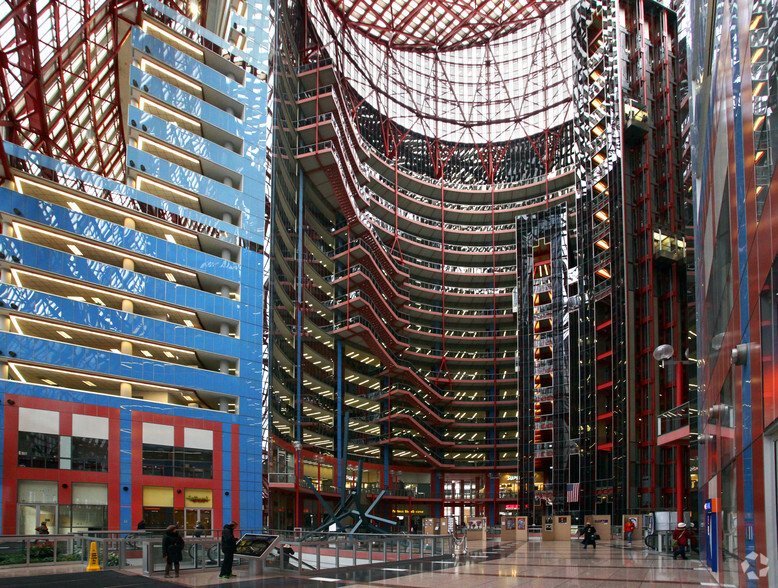
The renovations of the famous Thompson Center in Chicago are in full swing before over 1,000 Google employees will join the building. Google previously announced in July 2022 that it would be taking over the Thompson Center, and now almost 2 years later renovations are in the works. On May 3rd, demolition of the exterior of the building started. The permits issued for the property allowed for metal and glass siding to be removed and will be replaced with a opaque glass exterior. Google has stated that the atrium will be left open to the public and the major company hopes to make it a midwest hub for Google once the construction is done.
400 Lake Shore Drive

Construction has began at 400 Lake Shore where a 2-tower residential development will be constructed. The first part of renovations will be a 72-story residential tower. The tower’s foundation of a concrete base was just poured earlier this month, and the tower is the tallest current tower under construction in all of chicago. The residential towers are set to house over 635 new apartments, and about 127 of those apartments are set to be affordable. Overall, the properties will provide hundreds will housing and are projected to be major real estate to look out for in 2024.
3951 North Wayne Avenue

Permits have officially been issued as of March 2024 for the new residential property in Lake View, Chicago. The new chicago real estate development has an official budget of over $9 million dollars, and will be four-stories high. Overall, there will be 31 units in the building and the apartment will offer a few different amenities including a deck and rooftop access. The general contractor for the project, Vivify Construction LLC, hopes to have a timely process, and the complex will hopefully be done in the next year.
Woodlawn Central Distict Renovations

The district of Woodlawn central is a 8 acre, 1 million square foot district that is being renovated to include a variety of housing, retail, commercial and corporate real estate developments. The large scale real estate development plans to prioritize development while trying to avoid displacement in the Woodlawn area. The property development also aims to be an equitable transit-oriented development, which would enhance the areas urban layout. The first phase of development and the development overall aims to be a new model for urban regeneration and is designed for and made by the Black community.
116 S.Paulina Mixed-Use Development

The Chicago Plan Commission approved the mixed-use development planned by the City Church Chicago. The sit is currently vacant, but the City Church has big plans for the space. The project is expected to be built in multiple phases. The first phase will build a 2 story building, which will include the Church’ s main worship space, retail spaces and a cafe. The second phase will expand the property to the north and will add young programming areas, business office spaces and conference rooms. Finally, the third phase will see the major real estate development of a 12-story residential tower, which would include 76 residential units.
If you are interested in any of these new investment opportunities or management opportunities within chicago real estate, our team at PRG management are here for you! Contact us today with the form below to talk to a management expert at Pearson Realty Group!

The True Price of Chicago Real Estate Licenses
Becoming a licensed real estate professional in Chicago involves more than just passing an exam. Here’s a breakdown of the ongoing costs, fees, compliance requirements, and operational expenses associated with maintaining a real estate license in Illinois.

The estimated cost to get your real estate license in Chicago, depending on your school, test prep, & actual testing will run you anywhere from ~$2,000-2,300.
Real Estate School ($350-600)
+ Illinois State Exam ($55)
+ License Application ($125)
+ Association Membership ($1500)
= Cost To Be An Illinois Realtor ($2030-2280)
Now that you have your license and found your brokerage it’s time to get to the nitty-gritty. You need the tools and resources to list & search for properties, send & sign documents, and more depending on your needs. These come in many varied forms, some reoccurring monthly/annually and some one-time fees, again depending on your needs. Many memberships and fees may be written off at the end of the year, talk to your managing broker for more details.
Examples of additional fees & costs to think about:
MLS Membership – $1,138/year
Realtor Association Membership – $1500/year (MLS fees included)
Office Transfer Fee – $50 OTF (for switching brokerages)
State Transfer Fee – $25 OTF (for switching brokerages)
E-Signature Platform Fee – $20/month

Mistakes To Avoid When Selling Your Home That Could Cost You Thousands
Selling a home in Chicago involves more than simply putting a property on the market. Here are some of the most common mistakes homeowners make during the selling process and how to avoid issues that can reduce buyer interest or impact final sale price.
6 Costly Mistakes To Avoid When Selling Your Home
Empty Nesters often face big lifestyle changes once children move out for college or start their own lives. Many homeowners begin thinking about downsizing, relocating, or preparing for retirement. While selling can be the right move, it’s easy to make costly mistakes that create financial or emotional stress.
Selling a home during a major life transition can be overwhelming, especially when timing, pricing, and emotional attachment all come into play. Many sellers underestimate how much strategy and preparation go into achieving the best outcome. Market conditions, neighborhood demand, and seasonal trends can significantly impact your final sale price and days on market. By taking a proactive approach and working with experienced professionals, homeowners can avoid common pitfalls, maximize their return, and move confidently into their next chapter. Read the full blog at PearsonRealtyGroup.com
At Pearson Realty Group and PRG Management, we guide Chicago homeowners through the selling process with strategies that protect equity and reduce stress. From pricing correctly and making repairs to staging and marketing, the right approach can make a major difference. Our property management team also helps clients transition to rentals, condos, or investment properties, depending on long-term goals.
PRG Management is Chicago’s #1 Property Manager. To request a free proposal of Chicagoland management services, simply fill out the form below to be connected to our business development team.

Chicago's 2022 March Market Update
Chicago’s real estate market saw continued movement in early 2022 as rental demand, property values, and investment activity shifted across the city. Here’s a look at key Chicago market trends and what they meant for property owners, landlords, and investors.
2022 Market update ┃ Chicago Real Estate News
As we start to enter the busy spring season market, we decided to take a look at some of the most recent Chicago-based real estate and rental trends & statistics to help better understand the path ahead for the city. We analyzed local group studies, nationwide MLS stats, and some independent studies to get a better grasp on how inflation, fed rates, and other global/nationwide factors are affecting the housing market and what to expect moving forward. This includes examining how buyer demand is shifting across neighborhoods, how rental pricing is trending in key submarkets, and how changing economic conditions may impact inventory levels and investor confidence throughout the year. We’re also tracking how new construction, lending activity, and seasonal migration patterns are influencing market dynamics, helping buyers, sellers, and investors make more informed decisions in a rapidly evolving real estate landscape.
PRG Management is Chicago’s #1 Property Manager. To request a free proposal of Chicagoland management services, simply fill out the form below to be connected to our business development team.
Stay informed and read the full blog analyzing these stats at Pearson Realty Group.

5 Best Chicago Neighborhoods For Commuting | The Most Transit Accessible Chicago Neighborhoods
Chicago’s public transit system and grid layout make commuting accessible from many parts of the city. Here’s a look at several Chicago neighborhoods that offer strong transit access, convenient commuting options, and desirable residential living for city professionals.
5 Best Chicago Neighborhoods For Commuting | For Both Inbound & Outbound Commuters In 2022
Chicago’s famous grid-style layout and extensive transit system make it one of the most commuter-friendly cities in the U.S. With CTA trains, Metra lines, and major highways, many neighborhoods offer easy access to downtown, O’Hare, and suburban job centers. At Pearson Realty Group and PRG Management, we help homeowners, renters, and investors identify areas that combine convenience with long-term value.
Beyond the obvious time savings, commuter-friendly neighborhoods often benefit from stronger infrastructure, increased walkability, and thriving local businesses. Easy access to transit typically encourages more investment in surrounding retail, dining, and public spaces, which can enhance neighborhood character and long-term livability. These factors make certain areas of Chicago stand out not only for their convenience but also for their ability to sustain growth, making them prime choices for both personal and investment property strategies. Commuter-friendly neighborhoods not only improve quality of life for residents but also drive rental demand and investment growth.
PRG Management provides award-winning Chicago property management services for owners, landlords, condo associations, and investors, with expertise in rental management and HOA support. To request a free proposal of services, fill out the form below to get connected to our business development team.
To read the full blog and see the full list read the original article at Pearson Realty Group.