Is Your HOA Management Company Actually Doing Its Job?
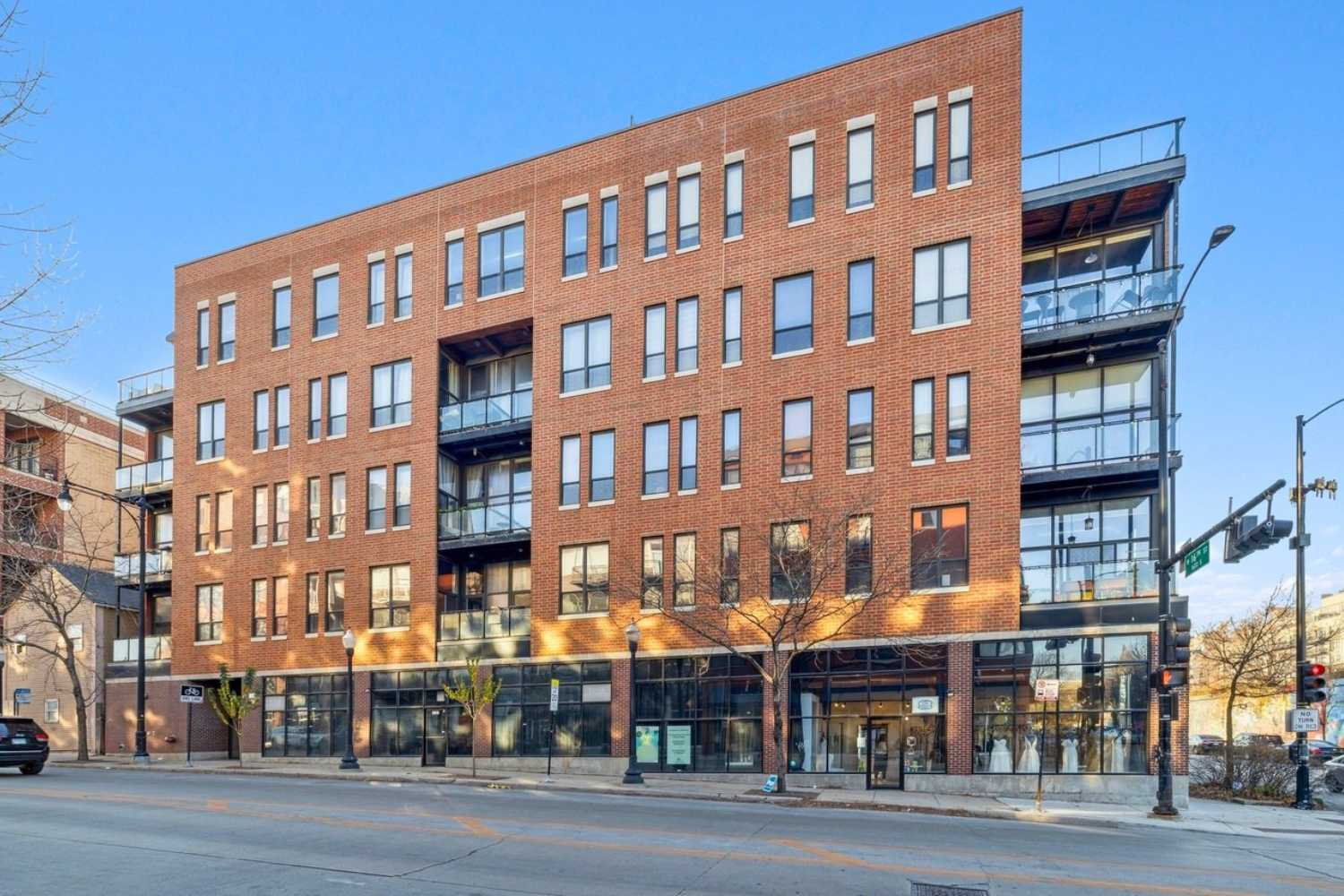
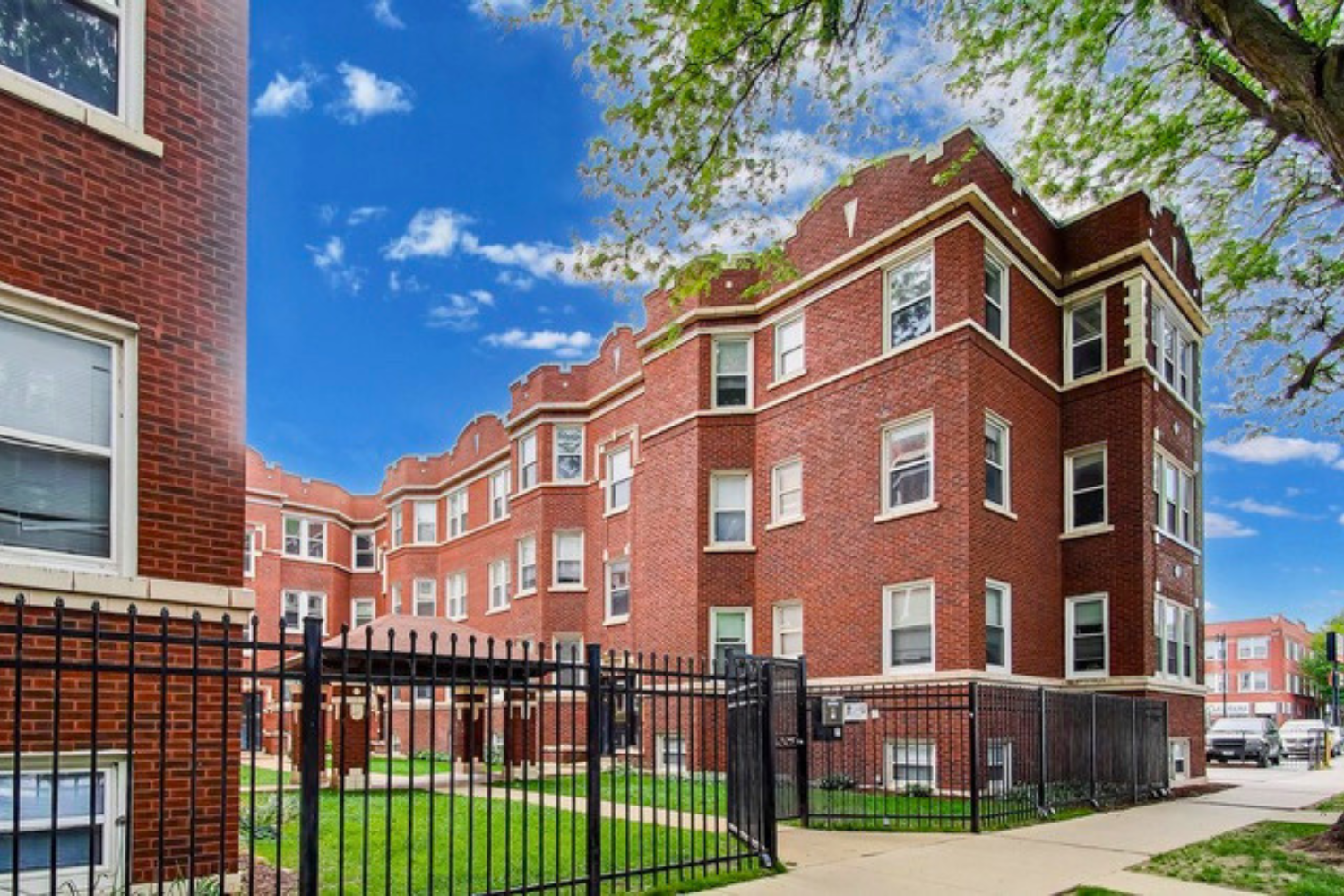
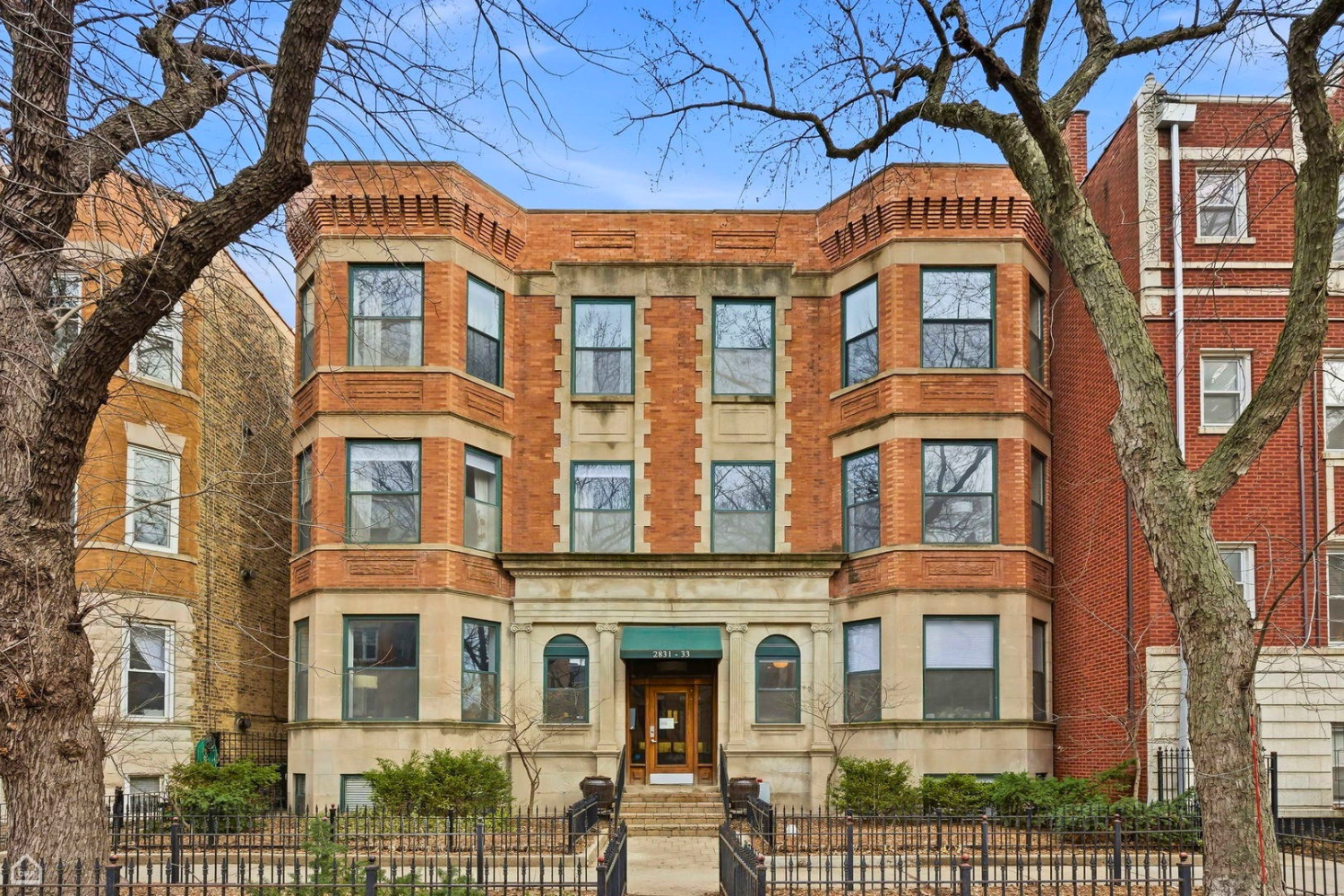
If you're on a Chicago HOA or condo association board, you know the weight of that volunteer role. You're responsible for an entire community, the finances, the maintenance, the vendors, the residents, and the legal compliance.
A professional property management company should make that burden lighter, not more frustrating. The problem is that not every management company delivers on that promise. And when they don't, boards end up more stressed than before they hired anyone.
This guide is for Chicago HOA and condo boards who want to know exactly what professional property management should look like, what HOA management services to expect, what to demand, and what signals that something is off.
The Role of an HOA Management Company: What It Actually Is
Before setting expectations, it helps to be clear on what a management company is and isn't.
Your Chicago property management company is the operational arm of your association. The board sets policy, vision, and major decisions. The management company executes on behalf of the board, handling the day-to-day responsibilities that keep your community running. Think of them as your association's professional staff.
Their job is not to replace the board, but to extend the board's capacity so that volunteer members aren't buried in operational frustrations, so the community gets the professional attention it deserves. Done correctly, this relationship means your board can focus on big-picture decisions while your management company handles the rest.
7 Things Chicago HOA Boards Should Expect From Their Management Company
1. Financial Transparency and Accurate Reporting
Boards should expect monthly financial reports that are clear, accurate, and timely. You should be able to see exactly what came in (dues, assessments), what went out (vendor payments, maintenance costs, administrative fees), and what's in reserve.
In Chicago, HOAs and condo associations are governed by the Illinois Condominium Property Act and, where applicable, the Common Interest Community Association Act. These laws require financial transparency and proper record-keeping. A competent management company makes it easy for the board to stay informed and compliant.
What good looks like: Monthly income and expense reports delivered on schedule, online portal access to financial records at any time, clear reserve fund accounting, and proactive flagging of budget variances before they become problems.
Red flags: Delayed or unclear financial reporting, resistance to providing records, or fee structures that make it hard to understand where money is going.
2. Proactive Maintenance Coordination
Deferred maintenance is one of the most expensive problems an HOA, or any building in Chicago, can face. A small roof issue ignored through a Chicago winter becomes a major capital expense in spring.
Your property management company should have a preventive maintenance calendar in place with routine inspection protocols and a vetted network of reliable local vendors. For Chicago communities especially, seasonal maintenance planning is non-negotiable: winterization, snow removal contracts, and spring inspections should all be calendared and managed proactively.
What good looks like: A documented, preset preventive maintenance schedule, fast response to maintenance requests through a resident-facing portal, vendor relationships that result in competitive pricing, and transparent communication about the scope and cost of repairs before work begins.
Red flags: Reactive-only maintenance, vendor relationships you didn't approve or trust, surprise invoices or non-approved charges, or routine maintenance that only happens when residents complain.
3. Clear, Timely Communication With Both the Board and Residents
Boards should not be chasing their property manager for updates, and residents should not be left wondering what's happening with a maintenance request.
You should expect defined response time standards. For situations that can’t wait, such as routine inquiries addressed within 24 to 48 business hours, and a clearly defined emergency protocol. Boards and residents should have access to an online portal to submit requests, view updates, and access community documents at any time. PRG Management is proud to offer an owner and tenant portal that provides a modern platform to submit requests, pay bills, view documents, and see financial reporting.
What good looks like: Dedicated point of contact for the board, defined SLAs for response times, a resident and owner portal for communication and requests, and proactive updates on open issues
Red flags: Unreturned calls, generic email responses, no defined emergency contact, or a management company that expects the board to field resident complaints.
4. Legal and Regulatory Compliance in Illinois
A professional HOA property manager stays current with Illinois law, local city ordinances, and your governing documents, ensuring the association operates within those frameworks.
This includes proper notice requirements for board meetings, elections, and special assessments; enforcement of governing documents in a consistent and legally defensible way; compliance with Chicago's specific requirements around building permits, inspections, and energy benchmarking for larger properties; and support for legal matters when they arise, including coordination with the association's attorney.
What good looks like: A management company that proactively flags regulatory changes, prepares properly noticed meeting documentation, and has clear protocols for rule enforcement and violation notices, without the board needing to ask.
Red flags: Management companies that are unclear about Illinois compliance requirements, inconsistent rule enforcement that exposes the association to legal risk, or a lack of coordination with legal counsel when needed.
5. Vendor Oversight and Cost Control
An effective management company will manage dozens of vendor relationships, including landscapers, plumbers, electricians, elevator contractors, cleaning services, and HVAC specialists. This is one of the highest-impact areas of management, and unfortunately, one where boards are most likely to be kept in the dark.
Boards should expect competitive bidding for contracts, transparent vendor selection processes, and clear documentation of all vendor agreements. You should know who your vendors are, when they’re onsite, what they're being paid, and how performance is being evaluated.
What good looks like: Competitive bids for major contracts, vendor performance tracking, transparent pricing, and a willingness to switch vendors when service quality drops.
Red flags: Sole-sourced vendor relationships with no competitive process, vague invoicing, or reluctance to share vendor contract details.
6. Consistent Rule Enforcement
Inconsistent enforcement is one of the fastest ways to create conflict in an HOA community. When some residents see rules applied to residents differently, it breeds distrust and eventually, potential legal exposure for the board.
Your management company should enforce the association's rules uniformly, document violations properly, and follow the notice-and-cure processes required by your governing documents and Illinois law. They should also make it easy for residents to understand the rules and submit concerns through proper, defined channels.
What good looks like: Clear violation notice procedures, documented enforcement actions, consistent application of rules across all units, and a process for residents to appeal or dispute violations.
Red flags: Selective enforcement, informal "we'll let it slide" communication with residents, or a pattern of violations that never resolve.
7. A Real Partnership
The best management relationships in Chicago are approached as partnerships. That means your management company takes genuine ownership of the community's well-being, not just the line items on the contract. It means they bring ideas to the board proactively: a vendor they found who can save the association money, a maintenance trend they noticed before it became a problem, a regulatory change the board needs to know about.
It also means they not only understand hyperlocal Chicago ordinances but also your community's specific history, culture, neighborhood, and personalities because no two buildings or associations are the same. A forward-thinking property manager is an invaluable resource for associations that want to protect their property values and keep residents proud of where they live.
What good looks like: Proactive communication with board and residents, institutional knowledge of your community, board meetings prepared with data and recommendations, and a management team that acts as if they care, because they actually do.
Red flags: A management company that treats every interaction as a transaction, can't recall your building's history without looking it up, rotates your point of contact frequently, or only shows up with solutions after you've already identified the problem.
Questions to Ask Before Hiring a Chicago HOA Management Company
Before signing a contract, put these questions to any management company you're evaluating:
How many properties does each of your managers currently manage?
What is your defined response time for routine vs. emergency requests?
How do you handle vendor selection and bidding for large contracts?
What does your financial reporting package include, and when is it delivered?
Can we speak with two or three current HOA boards you manage?
What happens if we need to terminate the contract? What are the notice terms?
How do you stay current with Illinois HOA law and Chicago-specific regulations?
The answers, and how comfortably and specifically they're given, will tell you a great deal about what day-to-day management will actually look like.
When It's Time to Switch Management Companies
The most common reasons Chicago HOA boards switch property management companies are poor communication, unresponsive maintenance handling, unclear or delayed financial reporting, and a general sense that the management company is managing the contract, not the community.
Switching is a process, but it doesn't have to be disruptive for your community. The right Chicago property management company will manage the transition professionally, request records from the prior manager, and get up to speed on your community quickly.
If your current management company isn't delivering on the basics: financial clarity, responsive communication, proactive maintenance, competent vendor management, it's worth having the conversation about a change to your Chicago HOA management.
Why Chicago HOA Boards Choose PRG Management
At PRG Management, we specialize in Chicago HOA management services and Chicago condo association management, delivering a full-service, hands-on approach that keeps boards informed and communities running smoothly.
That means responsive communication with defined service standards, transparent financial reporting delivered on schedule, proactive HOA maintenance coordination and vendor oversight, and a Chicago property management team that understands Illinois regulatory requirements inside and out.
PRG Management doesn't believe in managing the minimum. Chicago HOA boards and condo association boards deserve more than a management company that checks boxes; they deserve a true full-service HOA management partner, one that takes the operational burden off your plate so you can focus on your community.
Reach out to the PRG Management team anytime for a no-pressure conversation about your association's needs. Our team is happy to provide a proposal of services to see how we can elevate your community's value. Contact our team to request a proposal or fill out the form below to be connected to a Chicago property manager.