Viewing entries in
Property Management

PRG Management Announces New Property Management in Edgewater (120 Units)

PRG Management Announces New Property Management in Edgewater (120 Units)

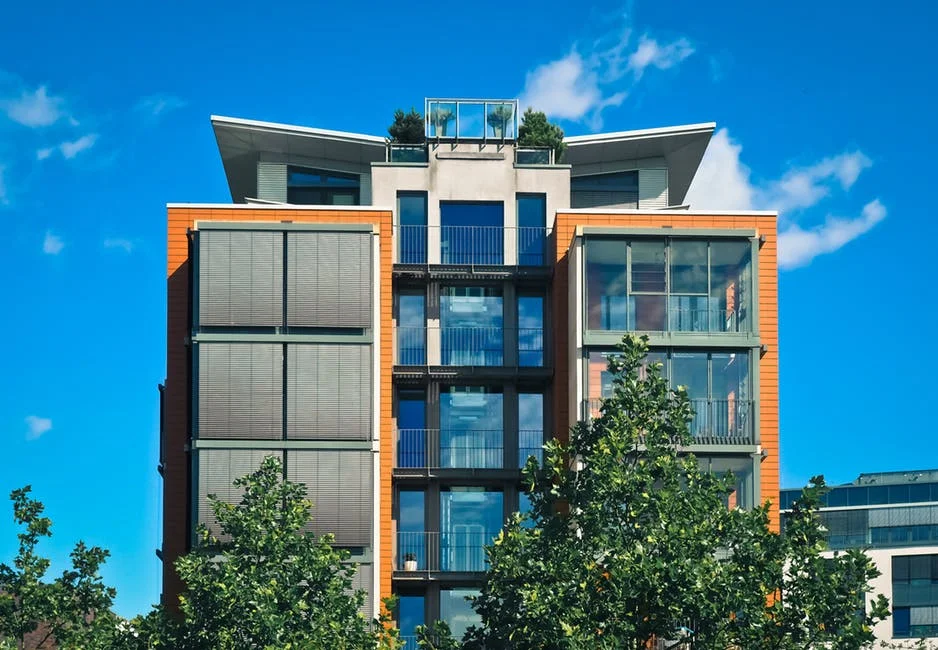
We’re excited to announce that PRG Management has been selected to manage a 120-unit portfolio across four buildings in Chicago’s Edgewater neighborhood. This new assignment reflects our commitment to delivering high-quality Chicago property management and elevating the standard for resident experience.

Under this new contract, PRG Management will focus on financially stabilizing the property, implementing stronger oversight of maintenance, and executing capital improvement plans. Our team is prepared to apply best practices in rental property management, preventive maintenance, vendor management, and cost control to drive both value and tenant satisfaction.

This opportunity reinforces our reputation as a trusted partner for multi-unit residential and mixed-use buildings throughout Chicagoland. Whether clients are seeking full property management, leasing support, or asset revitalization, PRG Management brings deep local market knowledge and operational excellence.

This portfolio also highlights the growing demand for experienced, hands-on management teams capable of handling large-scale residential assets in competitive urban markets. Edgewater continues to attract renters for its proximity to the lakefront, vibrant local businesses, and easy access to transit, making it a prime location for long-term investment growth. By combining strategic planning with a resident-first approach, PRG Management aims to enhance both the property’s financial performance and the overall community experience.


For a free property management proposal, please reach out to our office at 312.600.8896 or email info@prg-management.com.

How Your Rental Property Is Affected By Pets

Comment

How Your Rental Property Is Affected By Pets

Anyone that has a furry friend at home knows how big of a part they play in our daily lives by providing love, entertainment, companionship, and countless memories. According to a nationwide study from the American Veterinary Medical Association, a fair amount of people in the United States are pet owners. Nationally, 56% of people in the United States have at least one cat or dog in their homes, with Illinois coming in 48% of households with cats or dogs.

The owners of these furry friends know all too well the hurdles that come with apartment renting and cat/dog ownership. Pet owners that rent generally prioritize buildings and associations that accept their pets. This is the biggest factor in choosing a new place to live. When you do the simple math, it becomes very clear why as a property owner, it is more beneficial in the long run to accept pets in your building. However, what exactly should you weigh on when making the decision to accept or decline pets?

The benefits of allowing pets in rentals include:

  • Larger Applicant Pool: this diversifies your potential renters with more applications to choose from

  • Lower Vacancy Rates: stop revenue loss and achieve a higher profit margin with less vacancies

  • Attracts Long-Term Tenants: secure quality residents that will occupy units for longer periods of time on average. Happy residents stay longer!

  • Higher Profit: you can charge a higher monthly rent and/or charge a premium pet fee yielding higher profits with minimal effort

In contrast, some of the downsides of allowing pets in rentals include:

  • Common Tenant Complaints: those without pets may be less sympathetic to excessive noise leading to more complaints

  • Common Area Complaints: messes in hallways or elevators or barking at passerby residents can lead to a general degradation of the building's quality of life

  • Potential Damage To Apartment: not just dogs, but most animals have the potential of causing damage to different aspects of the unit.

Our advice at the end of the day is to be flexible and be open to accepting tenants with pets. Don’t single out the possibility of pet rentals at your units when the benefits can greatly outweigh the costs. By accepting pets, you attract residents that are more likely to stay for longer periods of time which allows for more profit security in the long term. The downside to accepting pets is when you allow the wrong pets (or owners) in the unit by not properly screening them the potential for complaints and damages can increase. Every situation is different, and no dog, cat, or furry friend is the same - so take this advice on a case-by-case basis and do what’s most comfortable for you as a property owner.

If you feel as if you don’t have the manpower or resources to accept pets or manage your current units with pets then think about hiring a property management company to help. Take a look at our full list of property management services to see if we can help you today! Contact PRG Management today to get a FREE quote and learn more about the services we offer for owners like you!

Comment

Chicago's 2022 March Market Update

Comment

Chicago's 2022 March Market Update

2022 Market update ┃ Chicago Real Estate News

As we start to enter the busy spring season market, we decided to take a look at some of the most recent Chicago-based real estate and rental trends & statistics to help better understand the path ahead for the city. We analyzed local group studies, nationwide MLS stats, and some independent studies to get a better grasp on how inflation, fed rates, and other global/nationwide factors are affecting the housing market and what to expect moving forward. This includes examining how buyer demand is shifting across neighborhoods, how rental pricing is trending in key submarkets, and how changing economic conditions may impact inventory levels and investor confidence throughout the year. We’re also tracking how new construction, lending activity, and seasonal migration patterns are influencing market dynamics, helping buyers, sellers, and investors make more informed decisions in a rapidly evolving real estate landscape.

PRG Management is Chicago’s #1 Property Manager. To request a free proposal of Chicagoland management services, simply fill out the form below to be connected to our business development team.

Stay informed and read the full blog analyzing these stats at Pearson Realty Group.

Comment

InfoSparks 2022 Real Estate Market Report

Comment

InfoSparks 2022 Real Estate Market Report

INFOSPARKS 2022 REAL ESTATE MARKET REPORT

Every year, InfoSparks, in collaboration with Midwest Real Estate Data (MRED), generates and publishes an annual market report on some important to know stats from the previous year. Analyzing trends locally and nationwide, they are able to provide the Chicago real estate world with an understanding of past trends as well as realistic expectations on what's to come.

2022 REAL ESTATE MARKET REPORT: HIGHLIGHT STATS 

  • The inventory of homes for sale remained low, as home seller activity did not rise proportionally to meet this demand.

  • The number of homes available for sale in 2021 was lower than in 2020 by 33.6%.

  • On average, sellers received 98.5% of their original list price at sale, a 2.5% year-over-year increase.

  • Detached Single-Family home prices were up 14.7% compared to the previous year. Attached Single-Family home prices were up 11.6%.

These kinds of year-end reports are essential for understanding how market forces are shaping real estate activity at every level, from individual buyers and sellers to large-scale investors and developers. By tracking long-term shifts in pricing, inventory, and demand, industry professionals can better anticipate market cycles, identify growth opportunities, and adjust strategies accordingly. For homeowners, this data provides insight into property value trends, while investors can use it to pinpoint neighborhoods and property types with the strongest performance potential.

Read the big takeaways on this new data and more at the Pearson Realty Group blog!

PRG Management is Chicago’s #1 Property Manager. To request a free proposal of Chicagoland management services, simply fill out the form below to be connected to our business development team.

Comment

A Property Manager's Tips Before Closing on an Investment Property

Comment

A Property Manager's Tips Before Closing on an Investment Property

Closing on your first investment property but not sure what to review during due diligence period and before closing? Stay calm, we have interviewed a property manager to get an expert's tips on how to facilitate a smooth closing. 

Ask For A Tenant Estoppel 

Asking for tenant estoppel is a great way to cover your tracks, and avoid future dilemmas over a tenant's lease. One thing an estoppel does is provide proof of cash flow. More importantly, estoppel prohibits a tenant from going back on their lease and making an argument that their lease should be changed. Also, this will bring to light any issues or promises that the seller has with the tenant and make sure that you as the buyer are made aware before closing. 

Ask Seller For Actual Expenses

Many times the "projected" numbers are far off from the actual expenses that a property may have. Obviously, an owner may not be forthcoming with the actual numbers, however, it is still worth a shot. You never know the actual costs until you do thorough research. It may be wise to get to know the owner and figure out if you can trust him or not. This can help confirm if your initial underwriting (or investment analysis) is in-line

Complete a plumbing inspection 

Plumbing issues can be costly. Typically, an inspector's process does not include an inspection of the underground sewer system. One thing to ask your inspector is if they can complete any underground plumbing camera inspection. If not, no worries! We always recommend getting a specialist out there to make sure the entire sewer is not caved in, has breaks major clogs that could cause issues in the near future. 

Have Your Future Property Manager Go to the Property Before Closing 

Having a reliable property manager is a necessary investment, and figuring out who it is going to be is a very wise thing to do before closing. A solid property manager will know exactly what to look for in a property. They will find costs that will be incurred in the future, that you may not have realized on your own. Generally, an experienced property manager will have a great perspective on what can and can't be done to a building, and what problems will occur in the future.  Here at Pearson, we have excellent property management, and more information on this can be found here.

Comment

What To Know About the Illinois Eviction Moratorium

Comment

What To Know About the Illinois Eviction Moratorium

Now nine months into the pandemic, it’s clear that the housing market has fundamentally changed for renters, homeowners, property managers, and housing providers. Property manager Jenny Coopmans says the toughest part of her job now managing rent collections. “We have to make sure we can collect enough funds to keep the properties afloat. Owners are still responsible for mortgage payments, maintenance, insurance and other costs associated with the upkeep of the building,” she says.

There’s a lot to keep up with from federal orders to the state's eviction moratorium and local legislation changes. We’ll cover the latest updates so that you can prepare for what's ahead.

When will evictions resume?

In an executive order, Gov. Pritzker first put a moratorium on evictions starting on March 20. Since then, he’s opted to extend the order every month as it nears expiration and on October 16, the governor did just that. At a press conference, he stated, “Remember, nothing really has changed in terms of the effect of COVID-19 and its effect on the economy, its effect on people’s jobs and their ability, or inability, to pay their rent or mortgage.” So for now, this means the statewide moratorium on evictions for non-payment will last until November 14.

To be clear, the moratorium only prevents the court filing and enforcement of evictions, renters must still pay rent. There are some cases where the court will permit evictions but only when a tenant is breaking the law, posing a threat to others, or causing severe damage. These types of evictions are less common because they’re harder for housing providers to prove in court. So, the majority of eviction cases are due to non-payment.

How does the eviction moratorium from the CDC apply to Chicago?

In September, the CDC issued a moratorium on evictions until the end of the year. The CARES Act also had a moratorium on evictions, but it applied to much fewer properties and tenants. The CDC’s order includes all residential properties that are occupied by tenants who are receiving government assistance, have had their income impacted by the pandemic, or if they’d be homeless if evicted. Right now, the governor’s order is what applies to Illinois. The larger federal order would only come into play if the state’s mandate expires for good in November.

What does the COVID-10 Eviction Protection and Fair Notice ordinances mean for property managers?

The challenges of the pandemic brought Chicago’s housing issues to the forefront of the city’s agenda. Many policy makers called for changes to protect the fragile market, and while the ordinances primarily protects renters, they do have provisions that everyone should know.

This summer, the City Council approved the eviction protection ordinance which requires landlords to make a “good faith” effort in situations of non-payment. This means a conversation about payment plans or involving a third-party mediator. The ordinance also protects housing providers by requiring tenants to pay rent. Typically, a tenant has five days to respond to a landlord’s intention to file an eviction. A separate mandate, the Fair Notice ordinance which passed at the same time, extends that period to a total of 12 days if the tenant indicates they’ve been affected by COVID-19. It also requires that landlords must give 60 to 120 days notice (depending on how long the tenant has lived there) to tenants for non-renewals or rent increases.

Most of the measures put forth by policy makers have focused on preventing a wave of evictions. Coopmans says that owners need to be taken care of, too. “It’s crucial to provide assistance to both renters and property owners,” she says.


Comment

How to Increase the Value of a Rental Property

Comment

How to Increase the Value of a Rental Property

Rental property owners should always be thinking about how they can increase the value of their property. Improvements don’t have to break the bank to make a difference.

Simple things like preventative maintenance and general property management will increase the value of a rental building and decrease tenant turnover. It will also give owners the opportunity to charge higher for rent and attract new tenants, all of which will help their bottom line. Here are 6 easy ways to increase the value of a rental property.

Update Curb Appeal

Your rental doesn’t have long to make a first impression. Potential tenants are more likely to be drawn to a property that looks put together and taken care of. Aesthetic improvements such as power washing, repainting window shutters & doors, and landscaping, are inexpensive and will go a long way.

Untitled design - 2020-08-17T150840.704.png

Additional ideas to step up your curb appeal and attract tenants to your property:

  • Plant new grass.

  • Paint the exterior.

  • Trim back trees and shrubs.

  • Install planters in front of an apartment building.

  • Pour new concrete or install new pavers or bricks.

Prioritize preventative MAINTENANCE

Perhaps one of the most important ways to increase the value of a rental property is by conducting regular inspections and maintenance. A key way to increase returns is through preventive maintenance. Small things like changing filters, cleaning off A/C compressors, and clearing gutters will save owners thousands of dollars in HVAC and foundation repairs. Providing thorough maintenance between tenants and with current tenants can go a long way with lease renewal and increasing referrals.

popular building amenities

Add Popular Amenities

Amenities are highly sought after by tenants. To keep up with the competition, owners can do things like:

  • Invest in quality washers and dryers and make the space as inviting as you can. Adding tables or offering free wifi can help even if the room is unfinished.

  • Make sure the rooftop space is kept clean and reflects that it is looked after. Adding small items like chairs, benches or flowers make the space more appealing and worth more to prospective tenants. 

  • If there isn’t a rooftop/patio, build out a communal garden area. Depending on the size, include a seating area for residents to enjoy or allow them to grow their own plants. It creates the sense of community that many tenants look for and is a great asset for increasing the rental value of a property. 

  • Maximize existing spaces. If the building has a basement that just needs to be cleaned out, do so, and then make storage available to tenants.

Focus on pain points

Property pain points go hand in hand with preventive maintenance and should be a priority for owners. Common pain points include:

  • Kitchens: replace old/outdated appliances and increase appeal by update counters, old wallpaper, and even cabinet knobs.

  • Bathrooms: faucets and pipes go through normal wear and tear so its important to maintain them before they turn into a larger problem.

  • Windows and Roofing: leaky or run down windows can be a deal breaker for tenants. Swapping out old windows/roofing not only improves the look of your property but also help lower the cost of utilities.

These kinds of upgrades can be marketed to attract quality tenants and will reduce tenant turnover. Additionally, it gives owners the opportunity to charge higher rent since they will have a higher quality product.  

Always Evaluate the Market

Untitled design - 2020-08-17T152145.277.png

It is important for owners to know what their property is worth at all times. Property managers are skilled in market evaluations and can help you price your property correctly. If you’re an owner in need of a rental valuation, you can request a free rental proposal from PRG Management. Learn More ⟩

In addition, rental season fluctuates so owners should price units accordingly. Fewer people are looking in the winter so offering a prorated discount is a wise choice and will bring in more prospects. Then, once renewal comes along, increase the rent back to the normal, non prorated amount. When doing this, it is important to make sure the tenant is aware that the price will be increasing. The increase should still be in line with the market and not be so much that it pushes the tenant to leave.

Screen & Communicate with Tenants

Fixing up a rental property won’t go very far if tenants are unreliable. This is where a property management company comes in handy, as they have access to the top screening technology. Doing credit checks and basic background checks will help owners find reliable tenants and decrease turnover.

Additionally, it’s important to communicate with current tenants. Keep them in the loop when building maintenance is being done and let them know they’re being heard and are a priority. When a service request is submitted, they should be responded to so they know it’s being worked on. A frustration that tenants express is when they’re left wondering whether or not a message was received and what’s being done about it. By prioritizing communication, owners will cut down on turnover and will increase referrals.

Comment

How to Prepare a Rental Property for New Tenants

Comment

How to Prepare a Rental Property for New Tenants

Even after the numerous tasks for listing a property have been completed there is still work to be done is order to be fully prepared for new tenants at your rental property. In order to properly welcome the new tenants there are a few things that should be considered.

The Search for a Tenants

First, screening the possible tenants. This can be a little awkward at times, but is extremely important because you want to find serious tenants that will not cause any issues with the property. The primary thing to do is to ask questions to determine how motivated the potential tenants are. People that are looking to move in the next few days or even the next day indicate that they are not good planners and are probably not the type of tenants you want. On the other hands, tenants that are looking to move in several months should also be avoided as they are not immediately motivated to begin renting. There is a sweet spot in between the distant future and the next day that you as the property manager need to determine. A good place to start to find that time frame is to check the potential tenants credit, background, and criminal records. No evictions, steady work, and a clean criminal record usually indicate a good tenant.


The next step after a tenant has been selected is to collect the first month’s rent upfront and a security deposit. From there the following measure is the leasing agreement. This is the best way to express rules for the property such as: whether or not smoking is okay, the amount of roommates that can be living there at any given time, or any specifics on how rent payments should be made.


Welcoming the Tenants

Once all the technical arrangements are made the final step in the process is creating a welcoming environment for the tenants. Flowers or a gift basket is a nice gesture. Another option as a welcome gift could be household essentials such as paper towels or bottled water; since moving can be frustrating, these little items are sometimes over looked. New tenants typically really appreciate the thought of a gift in general. An exceptionally nice gesture would be a nice bottle of wine or craft beer from a local shop in the neighborhood to show that the new tenants are welcome to the neighborhood.

Comment