Viewing entries tagged
maintenance

Chicago Spring Property Maintenance Checklist: 2026 Update

Comment

Chicago Spring Property Maintenance Checklist: 2026 Update

2026 Spring Property Maintenance Checklist for Chicago Landlords and Property Owners

Chicago winters are hard on buildings. By the time Spring arrives, your property has endured months of freeze-thaw cycles, salt, ice, and temperature swings that stress everything from your roof to your foundation. As a property owner in Chicagoland, you need to know what items need to be evaluated every season. That’s why PRG Management compiled a Spring cleaning checklist with Chicago property management tips to help you protect your property.

A regular Chicago rental property maintenance checklist should assess the damage, address deferred maintenance, and get ahead of any issues before they become expensive repairs. Whether you manage one unit, a portfolio of properties, or live in an HOA community, this checklist covers what to inspect, expect, service, and schedule every Spring in Chicagoland.

Exterior and Structural

Chicago's freeze-thaw cycles are among the most damaging weather patterns for residential and rental properties. A thorough exterior inspection every Spring is the single most effective way to catch structural issues before they compound into major capital expenses. Make sure your Spring property maintenance checklist includes:

  • Inspect the roof for missing, cracked, or lifted shingles and any signs of winter damage around flashing and gutters

  • Clean and inspect gutters and downspouts, clear debris, and confirm water is draining away from the foundation

  • Check the foundation for new cracks, settling, or signs of water intrusion after the thaw

  • Inspect exterior siding, brick, and masonry for cracks, spalling, or damage from freeze-thaw cycles

  • Examine caulking and weatherstripping around windows and doors, and replace them anywhere seals have deteriorated

  • Assess the driveway, walkways, and parking areas for frost heave, cracks, or trip hazards

  • Inspect decks, porches, and balconies for loose boards, deteriorating railings, or structural concerns

Landscaping and Grounds

First impressions matter for leasing efforts, tenant retention, and overall property value. Chicago landlords and property owners should know that well-maintained grounds also reduce liability exposure from uneven walkways or overgrown trees. These actions both protect your legal exposure and increase the curb appeal of your property:

  • Remove winter debris, salt, sand, dead branches, and accumulated debris from common areas and landscaping beds

  • Inspect trees and shrubs for winter damage and schedule trimming for any branches near the building or power lines

  • Restart irrigation systems and inspect for leaks, broken heads, or damaged lines from the freeze

  • Refresh mulch in landscaping beds to retain moisture and prevent weed growth through the season

  • Inspect and repair fencing for any panels, posts, or hardware damaged over winter

HVAC and Mechanical Systems

In Chicago property management, mechanical system failures are one of the most common and preventable maintenance expenses. Servicing HVAC and mechanical systems each Spring extends the equipment life, keeps utility costs down, and ensures your property stays compliant with Chicago's rental habitability requirements. To “un-winterize” your property, be sure to:

  • Schedule air conditioning service before peak cooling season, replace filters, clean coils, and confirm refrigerant levels

  • Test the HVAC system in cooling mode and address any unusual sounds, airflow issues, or performance concerns

  • Inspect laundry machines and clean dryer vents, a common fire hazard that's easy to overlook

  • Check water heater operation and inspect for corrosion, leaks, or sediment buildup

  • Test sump pump operation before the Spring rain season, confirm the float switch activates, and the discharge line is clear

Interior and Unit Condition

For occupied rental units, Spring is the ideal time to conduct an interior walkthrough as part of regular Chicago property maintenance. Catching small issues early, such as a slow leak, a drafty window, or a deteriorating seal, protects both the property and the landlord-tenant relationship. Your Spring property upkeep checklist should remind you to:

  • Test all smoke and carbon monoxide detectors and replace batteries, required under Chicago's municipal code

  • Inspect windows and doors for drafts, damaged locks, or hardware that needs adjustment after winter settling

  • Check for water stains on ceilings and walls that may indicate a slow roof leak or plumbing issue that worsened over winter

  • Inspect plumbing under sinks and around appliances for slow leaks or signs of moisture damage

  • Test GFCI outlets in bathrooms, kitchens, and any exterior outlets

Safety and Compliance

Safety and compliance items are easy to defer until something goes wrong. Chicago landlords are subject to specific safety and maintenance requirements under the Chicago Residential Landlord and Tenant Ordinance (RLTO). Staying current on unit specific and common area safety equipment, lighting, and access hardware will protect you from any legal issues. A proper spring property maintenance checklist will have you:

  • Review fire extinguisher service dates and replace or recharge any that have expired

  • Inspect common area lighting, exterior fixtures, stairwells, and parking areas, and replace any burned out or damaged fixtures

  • Confirm that unit entry locks and building access hardware are functioning properly

  • Review your insurance policy and confirm coverage is current and adequate for the property

A Note for Chicago Landlords

If you manage multiple properties or simply don't have the bandwidth to coordinate vendors and track maintenance schedules yourself, a full-service Chicago property management company handles this for you, proactively and on a defined schedule.

At PRG Management, seasonal maintenance coordination is a core part of how we protect our owners' investments. We work with a vetted network of trusted vendors to ensure both preventative maintenance and emergency issues are handled promptly. If you're a Chicago landlord, property owner, or HOA board member looking for a more hands-off approach to property ownership, we'd love to connect.

Request a proposal or fill out the form below to connect with a Chicago property manager.

PRG Management in an award winning property management company in Chicago, providing full-service property management for individual landlords, multi-unit owners, and investment property portfolios across the great Chicagoland area.

Comment

What Chicago HOA Boards Should Expect From a Property Management Company

Comment

What Chicago HOA Boards Should Expect From a Property Management Company

Is Your HOA Management Company Actually Doing Its Job?

If you're on a Chicago HOA or condo association board, you know the weight of that volunteer role. You're responsible for an entire community, the finances, the maintenance, the vendors, the residents, and the legal compliance. 

A professional property management company should make that burden lighter, not more frustrating. The problem is that not every management company delivers on that promise. And when they don't, boards end up more stressed than before they hired anyone.

This guide is for Chicago HOA and condo boards who want to know exactly what professional property management should look like, what HOA management services to expect, what to demand, and what signals that something is off.

The Role of an HOA Management Company: What It Actually Is

Before setting expectations, it helps to be clear on what a management company is and isn't.

Your Chicago property management company is the operational arm of your association. The board sets policy, vision, and major decisions. The management company executes on behalf of the board, handling the day-to-day responsibilities that keep your community running. Think of them as your association's professional staff.

Their job is not to replace the board, but to extend the board's capacity so that volunteer members aren't buried in operational frustrations, so the community gets the professional attention it deserves. Done correctly, this relationship means your board can focus on big-picture decisions while your management company handles the rest.

7 Things Chicago HOA Boards Should Expect From Their Management Company

1. Financial Transparency and Accurate Reporting

Boards should expect monthly financial reports that are clear, accurate, and timely. You should be able to see exactly what came in (dues, assessments), what went out (vendor payments, maintenance costs, administrative fees), and what's in reserve.

In Chicago, HOAs and condo associations are governed by the Illinois Condominium Property Act and, where applicable, the Common Interest Community Association Act. These laws require financial transparency and proper record-keeping. A competent management company makes it easy for the board to stay informed and compliant.

What good looks like: Monthly income and expense reports delivered on schedule, online portal access to financial records at any time, clear reserve fund accounting, and proactive flagging of budget variances before they become problems.

Red flags: Delayed or unclear financial reporting, resistance to providing records, or fee structures that make it hard to understand where money is going.

2. Proactive Maintenance Coordination

Deferred maintenance is one of the most expensive problems an HOA, or any building in Chicago, can face. A small roof issue ignored through a Chicago winter becomes a major capital expense in spring. 

Your property management company should have a preventive maintenance calendar in place with routine inspection protocols and a vetted network of reliable local vendors. For Chicago communities especially, seasonal maintenance planning is non-negotiable: winterization, snow removal contracts, and spring inspections should all be calendared and managed proactively.

What good looks like: A documented, preset preventive maintenance schedule, fast response to maintenance requests through a resident-facing portal, vendor relationships that result in competitive pricing, and transparent communication about the scope and cost of repairs before work begins.

Red flags: Reactive-only maintenance, vendor relationships you didn't approve or trust, surprise invoices or non-approved charges, or routine maintenance that only happens when residents complain.

3. Clear, Timely Communication With Both the Board and Residents

Boards should not be chasing their property manager for updates, and residents should not be left wondering what's happening with a maintenance request. 

You should expect defined response time standards. For situations that can’t wait, such as routine inquiries addressed within 24 to 48 business hours, and a clearly defined emergency protocol. Boards and residents should have access to an online portal to submit requests, view updates, and access community documents at any time. PRG Management is proud to offer an owner and tenant portal that provides a modern platform to submit requests, pay bills, view documents, and see financial reporting.

What good looks like: Dedicated point of contact for the board, defined SLAs for response times, a resident and owner portal for communication and requests, and proactive updates on open issues

Red flags: Unreturned calls, generic email responses, no defined emergency contact, or a management company that expects the board to field resident complaints.

4. Legal and Regulatory Compliance in Illinois

A professional HOA property manager stays current with Illinois law, local city ordinances, and your governing documents, ensuring the association operates within those frameworks.

This includes proper notice requirements for board meetings, elections, and special assessments; enforcement of governing documents in a consistent and legally defensible way; compliance with Chicago's specific requirements around building permits, inspections, and energy benchmarking for larger properties; and support for legal matters when they arise, including coordination with the association's attorney.

What good looks like: A management company that proactively flags regulatory changes, prepares properly noticed meeting documentation, and has clear protocols for rule enforcement and violation notices, without the board needing to ask.

Red flags: Management companies that are unclear about Illinois compliance requirements, inconsistent rule enforcement that exposes the association to legal risk, or a lack of coordination with legal counsel when needed.

5. Vendor Oversight and Cost Control

An effective management company will manage dozens of vendor relationships, including landscapers, plumbers, electricians, elevator contractors, cleaning services, and HVAC specialists. This is one of the highest-impact areas of management, and unfortunately, one where boards are most likely to be kept in the dark.

Boards should expect competitive bidding for contracts, transparent vendor selection processes, and clear documentation of all vendor agreements. You should know who your vendors are, when they’re onsite, what they're being paid, and how performance is being evaluated.

What good looks like: Competitive bids for major contracts, vendor performance tracking, transparent pricing, and a willingness to switch vendors when service quality drops.

Red flags: Sole-sourced vendor relationships with no competitive process, vague invoicing, or reluctance to share vendor contract details.

6. Consistent Rule Enforcement

Inconsistent enforcement is one of the fastest ways to create conflict in an HOA community. When some residents see rules applied to residents differently, it breeds distrust and eventually, potential legal exposure for the board.

Your management company should enforce the association's rules uniformly, document violations properly, and follow the notice-and-cure processes required by your governing documents and Illinois law. They should also make it easy for residents to understand the rules and submit concerns through proper, defined channels.

What good looks like: Clear violation notice procedures, documented enforcement actions, consistent application of rules across all units, and a process for residents to appeal or dispute violations.

Red flags: Selective enforcement, informal "we'll let it slide" communication with residents, or a pattern of violations that never resolve.

7. A Real Partnership

The best management relationships in Chicago are approached as partnerships. That means your management company takes genuine ownership of the community's well-being, not just the line items on the contract. It means they bring ideas to the board proactively: a vendor they found who can save the association money, a maintenance trend they noticed before it became a problem, a regulatory change the board needs to know about.

It also means they not only understand hyperlocal Chicago ordinances but also your community's specific history, culture, neighborhood, and personalities because no two buildings or associations are the same. A forward-thinking property manager is an invaluable resource for associations that want to protect their property values and keep residents proud of where they live.

What good looks like: Proactive communication with board and residents, institutional knowledge of your community, board meetings prepared with data and recommendations, and a management team that acts as if they care, because they actually do.

Red flags: A management company that treats every interaction as a transaction, can't recall your building's history without looking it up, rotates your point of contact frequently, or only shows up with solutions after you've already identified the problem.

Questions to Ask Before Hiring a Chicago HOA Management Company

Before signing a contract, put these questions to any management company you're evaluating:

  • How many properties does each of your managers currently manage?

  • What is your defined response time for routine vs. emergency requests?

  • How do you handle vendor selection and bidding for large contracts?

  • What does your financial reporting package include, and when is it delivered?

  • Can we speak with two or three current HOA boards you manage?

  • What happens if we need to terminate the contract? What are the notice terms?

  • How do you stay current with Illinois HOA law and Chicago-specific regulations?

The answers, and how comfortably and specifically they're given, will tell you a great deal about what day-to-day management will actually look like.

When It's Time to Switch Management Companies

The most common reasons Chicago HOA boards switch property management companies are poor communication, unresponsive maintenance handling, unclear or delayed financial reporting, and a general sense that the management company is managing the contract, not the community.

Switching is a process, but it doesn't have to be disruptive for your community. The right Chicago property management company will manage the transition professionally, request records from the prior manager, and get up to speed on your community quickly.

If your current management company isn't delivering on the basics: financial clarity, responsive communication, proactive maintenance, competent vendor management, it's worth having the conversation about a change to your Chicago HOA management.

Why Chicago HOA Boards Choose PRG Management

At PRG Management, we specialize in Chicago HOA management services and Chicago condo association management, delivering a full-service, hands-on approach that keeps boards informed and communities running smoothly.

That means responsive communication with defined service standards, transparent financial reporting delivered on schedule, proactive HOA maintenance coordination and vendor oversight, and a Chicago property management team that understands Illinois regulatory requirements inside and out.

PRG Management doesn't believe in managing the minimum. Chicago HOA boards and condo association boards deserve more than a management company that checks boxes; they deserve a true full-service HOA management partner, one that takes the operational burden off your plate so you can focus on your community.

Reach out to the PRG Management team anytime for a no-pressure conversation about your association's needs. Our team is happy to provide a proposal of services to see how we can elevate your community's value. Contact our team to request a proposal or fill out the form below to be connected to a Chicago property manager.


Comment

Facilities Management Company in Chicago: PRG Management for Multi-Site & Single-Asset Owners

Comment

Facilities Management Company in Chicago: PRG Management for Multi-Site & Single-Asset Owners

Facilities Management Company in Chicago: PRG Management for Multi-Site & Single-Asset Owners

If you’re evaluating a facilities management company in Chicago, you need a partner that can keep costs predictable, compliance tight, and buildings running without surprises. PRG Management combines day-to-day operations (vendor coordination, work orders, PM schedules) with portfolio-level strategy (capital planning, lifecycle cost analysis) across Chicago and the suburbs.

While large national providers emphasize scale and standardized programs, many Chicagoland owners want a firm that pairs fast, local response with transparent reporting and budget control, especially across mixed retail, office, and industrial footprints. That’s where PRG stands apart.

Learn more about our Facilities Management Services

Building Maintenance Services Chicago: Proactive, Not Just Reactive

Unplanned repairs are expensive. Our building maintenance services in Chicago prioritize preventive routines, including rooftop units, life safety systems, plumbing, lighting, and envelope checks, to help your sites avoid costly downtime.

Many maintenance vendors focus only on emergency fixes. We go further by connecting your maintenance plan to a larger asset strategy: capital expenditure forecasting, warranty tracking, and vendor performance scorecards. This ensures lower long-term costs and fewer surprises.

What you can expect:

  • SLA-backed response with after-hours coverage

  • Preventive maintenance calendars & digital logs

  • Contractor bidding to save on high-ticket repairs

  • Quarterly reporting with budget vs. actuals

Talk with a Maintenance Expert →

Commercial Property Management Chicago: Operations That Protect NOI

Effective commercial property management in Chicago aligns facilities work with leasing, tenant retention, and compliance. Larger CRE firms emphasize national reach and integrated services, but PRG Management’s advantage is local decision speed and line-of-sight reporting for office, retail, light industrial, and medical assets.

From tenant build-outs to after-hours incidents, our teams coordinate vendors, enforce lease obligations, and keep base-building systems reliable, so tenants renew, expenses stay controlled, and NOI improves.

Explore our commercial property management services →

Corporate Facilities Management Illinois: Multi-Location Consistency

For corporate real estate and operations leaders running multiple sites in Illinois, consistency is everything. National providers often standardize processes, but PRG Management delivers the same rigor with stronger local coverage.

We centralize work-order intake, create preventive maintenance libraries for each asset type, manage compliance calendars, and deliver executive-level dashboards. Whether you manage five suburban flex buildings or a statewide retail footprint, you’ll have clear metrics: uptime, response time, and spend by category.

Schedule a 20-minute Discovery Call →

Why Owners Choose PRG Management

Local owners consistently choose PRG Management as a trusted facilities management company in Chicago:

  • Local reach, suburban speed: Rapid dispatch and vendor bench across Chicagoland.

  • Transparent budgets: Bid events, three-quote policy, and savings reports.

  • Data you can present: Executive dashboards, PM adherence, SLA performance.

  • Portfolio strategy: CapEx planning tied to asset lifecycle beyond break/fix.

PRG Management is a Chicago-born firm serving the city and surrounding suburbs, licensed in Illinois and focused on commercial and mixed-portfolio clients.

Frequently Asked Questions

Q: What’s the difference between facilities management and building maintenance?
A: Facilities management sets the strategy and standards (SOPs, compliance, vendor governance), while building maintenance executes PM routines and repairs. PRG Management unifies both, so maintenance supports NOI and tenant retention.

Q: Do you cover after-hours emergencies?
A: Yes, SLA-backed response with on-call procedures and escalation.

Q: Can you integrate with our ticketing platform?
A: We can work in your system or deploy ours; either way, processes are standardized.

Q: Do you serve the suburbs?
A: Yes, full Chicagoland coverage, including North, Northwest, and Southwest corridors.

Next Steps

Below, you can request a personalized proposal of services designed to improve building performance, cut costs, and keep your operations running smoothly. If you’re searching for commercial property management in Chicago or a facilities management company in Chicago, PRG Management is your no-brainer solution.

Comment

A Property Manager's Tips Before Closing on an Investment Property

Comment

A Property Manager's Tips Before Closing on an Investment Property

Closing on your first investment property but not sure what to review during due diligence period and before closing? Stay calm, we have interviewed a property manager to get an expert's tips on how to facilitate a smooth closing. 

Ask For A Tenant Estoppel 

Asking for tenant estoppel is a great way to cover your tracks, and avoid future dilemmas over a tenant's lease. One thing an estoppel does is provide proof of cash flow. More importantly, estoppel prohibits a tenant from going back on their lease and making an argument that their lease should be changed. Also, this will bring to light any issues or promises that the seller has with the tenant and make sure that you as the buyer are made aware before closing. 

Ask Seller For Actual Expenses

Many times the "projected" numbers are far off from the actual expenses that a property may have. Obviously, an owner may not be forthcoming with the actual numbers, however, it is still worth a shot. You never know the actual costs until you do thorough research. It may be wise to get to know the owner and figure out if you can trust him or not. This can help confirm if your initial underwriting (or investment analysis) is in-line

Complete a plumbing inspection 

Plumbing issues can be costly. Typically, an inspector's process does not include an inspection of the underground sewer system. One thing to ask your inspector is if they can complete any underground plumbing camera inspection. If not, no worries! We always recommend getting a specialist out there to make sure the entire sewer is not caved in, has breaks major clogs that could cause issues in the near future. 

Have Your Future Property Manager Go to the Property Before Closing 

Having a reliable property manager is a necessary investment, and figuring out who it is going to be is a very wise thing to do before closing. A solid property manager will know exactly what to look for in a property. They will find costs that will be incurred in the future, that you may not have realized on your own. Generally, an experienced property manager will have a great perspective on what can and can't be done to a building, and what problems will occur in the future.  Here at Pearson, we have excellent property management, and more information on this can be found here.

Comment

Choosing The Right Salt This Winter

Comment

Choosing The Right Salt This Winter

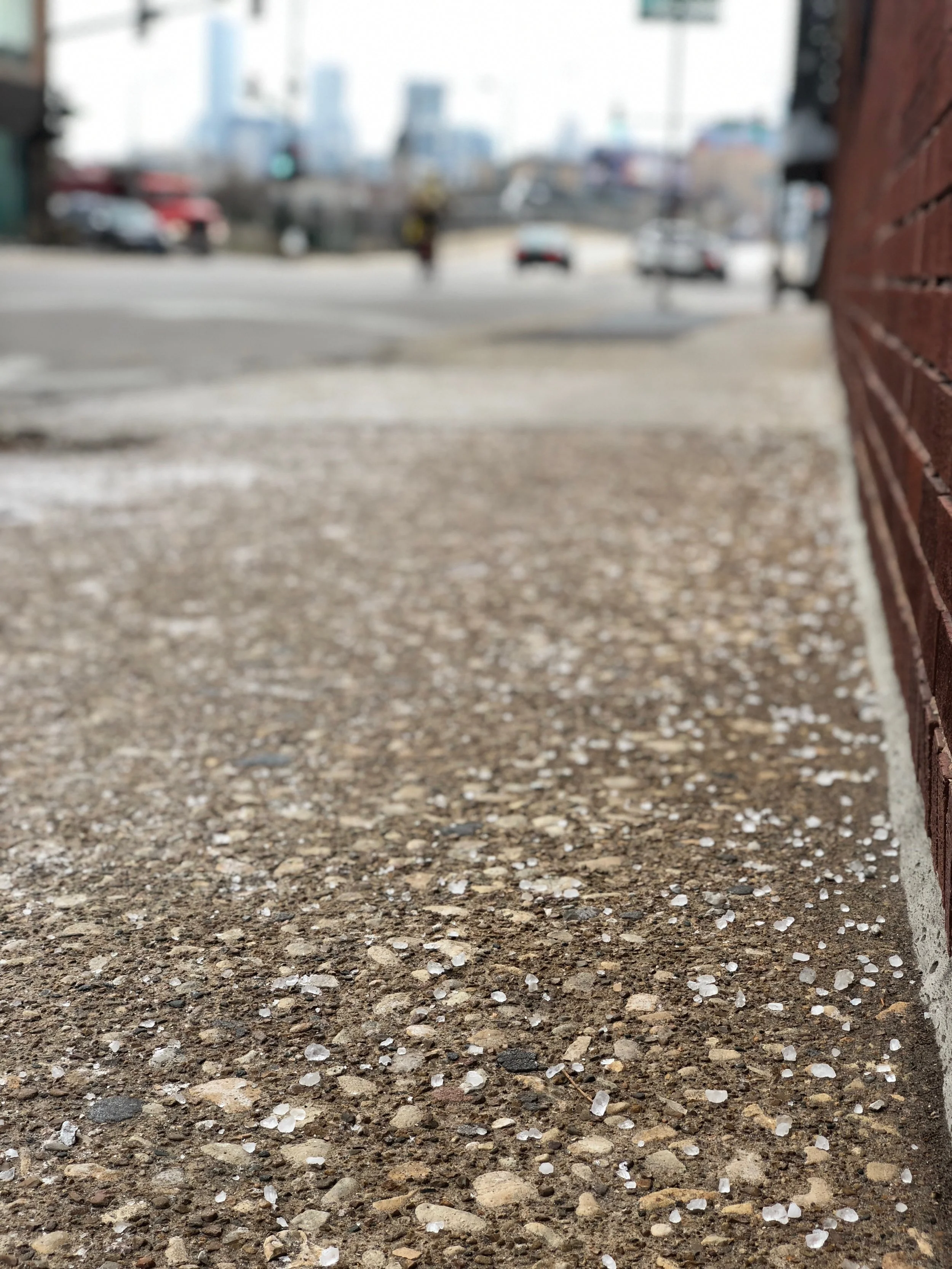
With the winter season approaching fast, we know that Chicago winters can be very unpredictable when it comes to winter weather.  Buildings and Associations should be preparing to get good pricing on snow removal and salt before the snow and cold sneak up on you.

An important decision for buildings every year is what kind of de-icer to use for the season.  Common walkways must be de-iced to ensure the safety and comfort of walking around your property.  Here are some comparisons of different snow-melting salt options PRG Management has reviewed to help you decide on property management in Chicago this winter.

·         Calcium Chloride and Magnesium Chloride

o   Price scale: Medium

o   Fast acting and effective alternative to the commonly used rock salt.  Mostly safe for grass if used minimally to moderately.  Melts to -25 degrees F.

·         Magnesium Chloride

o   Price scale: Medium

o   Fast acting and effective alternative to the commonly used rock salt.  Mostly safe for grass if used minimally to moderately.  Melts to -13 degrees F, and has a higher chance of damaging asphalt or sidewalks.

·         Potassium Chloride

o   Price Scale: High

o   Safest Pet and Garden friendly alternative.  Melts to -25 degrees F.

·         Sodium Chloride/Rock Salt

o   Price Scale: Low

o   Basic rock salt.  Extremely cheap but toxic to pets, damages surfaces, and not garden-friendly.

·         Metal and stairs

o   Metal and stairs can be a hassle.  There are several options for melting ice on metal stairs to minimize, such as Urea based de-icers or using a brine (liquid de-icer) solution.  Another solution would be to use Sand.  Sand is not a de-icer, but if you shovel beforehand, sand can provide traction for walking on the stairs along with preventing new ice from forming on top of it.

These are the most common types of de-icer that we at PRG Property Management have worked with in the past.  As a premier Property Management company in Chicago, we are more than happy to help your building manage any upcoming winter woes to ensure a safe environment for everyone! 

Comment